Washing Machine Wrapping
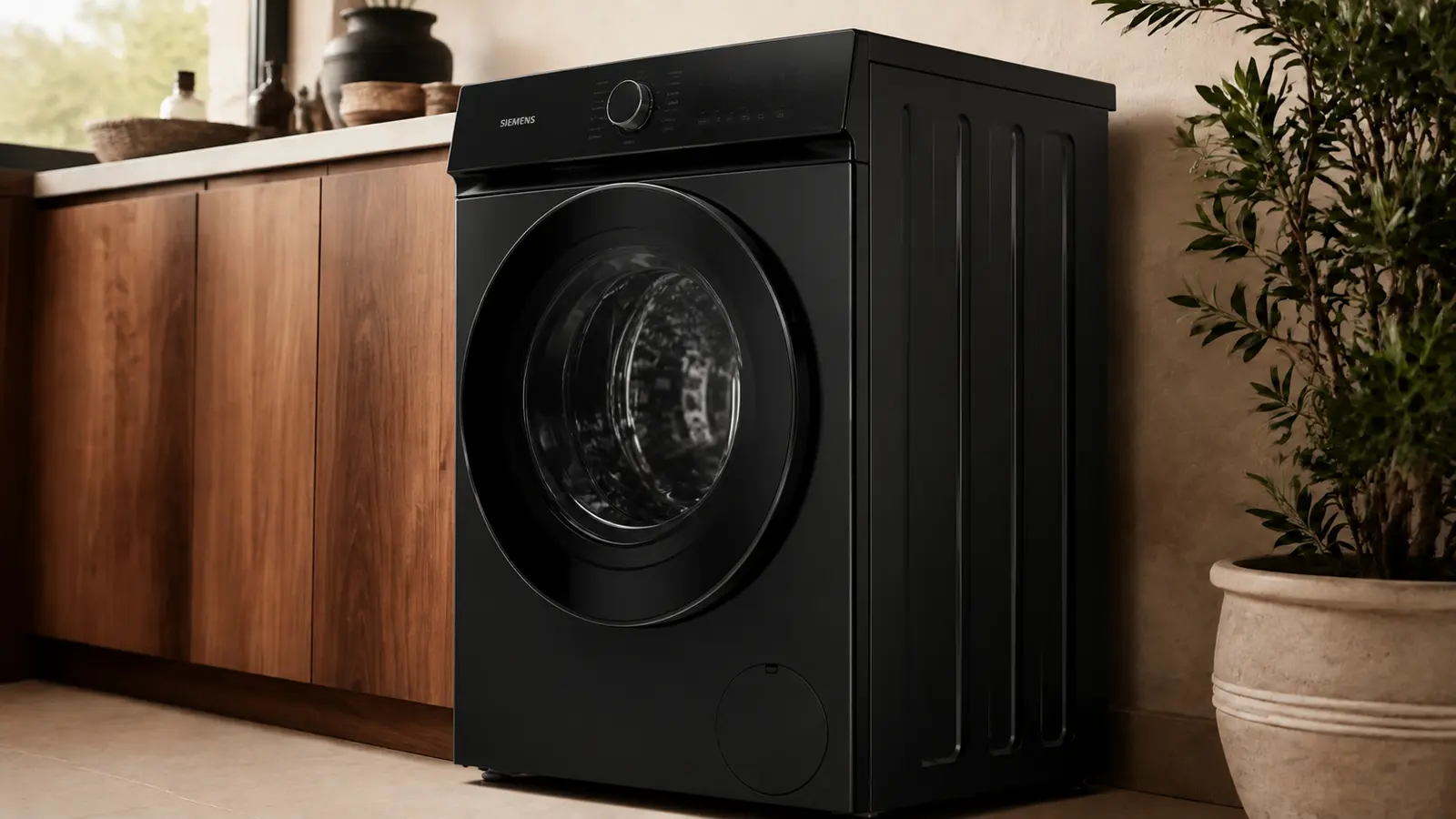
Washing Machine Wrapping
Washing Machine Wrapping is a professional architectural surface-wrapping service for technically suitable front and side exterior metal panels of a washing machine. The service updates the appliance exterior with decorative architectural film without altering electrical or mechanical components. No surface is assumed to be suitable automatically; the substrate, existing finish, edges and use conditions are reviewed before work begins.
Service Scope
The first decision is whether the existing appearance should be preserved or deliberately changed. The surface is then photographed, repairs and damage are recorded, a compatible cleaning method is selected and a discreet sample is tested.
Suitable project areas may include technically suitable front and side exterior metal panels of a washing machine. Available design directions include matte white, anthracite, metallic, stone and understated solid colours. Final selection is based on the real substrate, lighting, expected use and the technical limits of the selected film—not a catalogue image alone.
Pre-Installation Assessment
| Check | Why It Matters | Decision |
|---|---|---|
| Substrate | Controls adhesion and removal behaviour | Identify the material correctly |
| Existing finish | Weak paint or varnish may separate | Test a hidden area |
| Edges and joints | Concentrate tension, water and cleaning | Plan the finish before cutting |
| Use pattern | Heat, liquid, abrasion and impact vary | Select the correct system |
| Visual target | Gloss, texture and colour perception differ | Review a sample in real light |
Conditions such as ventilation openings, door seals, detergent drawers, service screws, corrosion and manufacturer labels can change the installation decision. Wrapping does not proceed on an unstable, swollen, damp or technically unsuitable surface; repair or an alternative solution is considered first.
Professional Workflow
- Record photographs, measurements and intended use.
- Confirm substrate suitability and customer expectations.
- Plan film type, pattern direction, seams and edges.
- Prepare the surface with a compatible method.
- Apply the film with controlled tension and cutting.
- Inspect edges, joints and optical appearance.
- Link product, quantity, installer and care information to the digital job record.
A QR-linked digital warranty applies only to registered work covered by the relevant warranty terms. The QR code provides access to a traceable record; it is not an unlimited performance promise.
Limitations
Architectural film does not repair structural damage, swollen boards, broken stone, weak varnish or a continuing moisture source. It should not be marketed as scratch-proof, fireproof or suitable for every substrate. A compatible system may help reduce selected everyday abrasion and staining risks or renew the decorative appearance.
Aftercare
After installation, use wiping with the appliance switched off and avoiding heavy water exposure at film edges. Avoid abrasive pads, scouring powders and strong solvents that have not been approved for the selected film. If lifting, bubbling or a finish change appears, stop manipulating the area and contact the installer.
Frequently Asked Questions
Can every surface be wrapped?
No. Installation proceeds only after the substrate, existing finish and compatibility sample are acceptable.
Will the appearance remain identical?
Transparent systems aim to retain the original appearance; decorative systems intentionally change it. A real sample is the correct decision tool.
Does film completely prevent heavy impact or high-heat damage?
No. Film is not structural reinforcement or a heat barrier. Appropriate user precautions remain necessary.
Sources and Technical References
The references provide an industry evaluation framework. Performance claims for an MKK® product require verifiable evidence for the exact product code and layer construction.