When Should Protective Film Be Applied After Paint or Varnish?
When Should Protective Film Be Applied After Paint or Varnish?
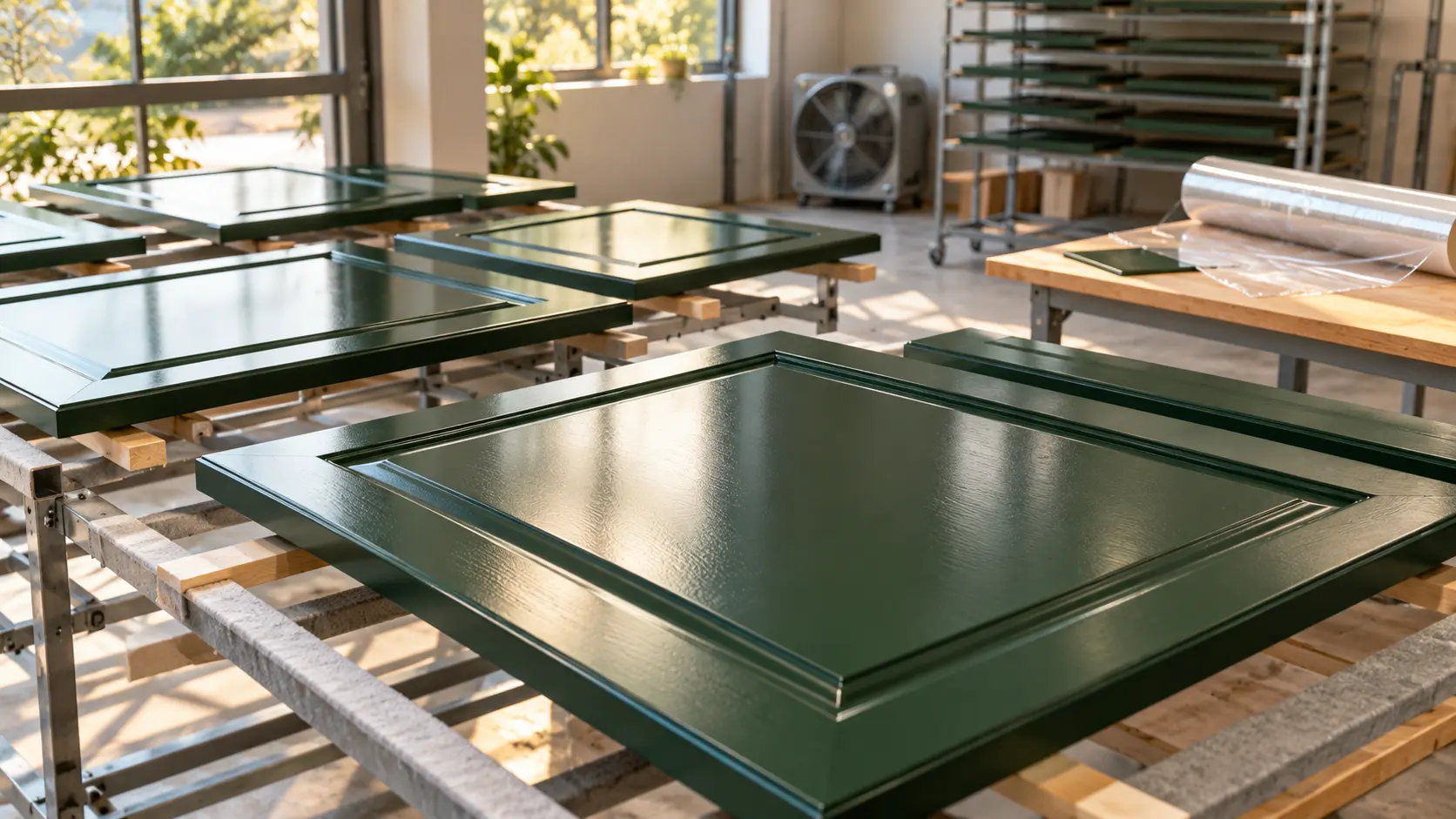
Touch dry does not mean fully cured; manufacturer guidance must be followed before applying film to newly painted or varnished furniture.
Why it matters
Surface performance depends on the substrate, existing finish, traffic, cleaning and environment. Protection should be selected for the real use case, not by appearance alone.
Assessment and planning
Identify the substrate and coating, then record damage, weak paint, moisture, polish residue and repairs. Edges, seams, cleaning routines and future removal must be planned before installation. A controlled sample should confirm appearance, adhesion and removal behaviour.
Installation and care
A photo assessment supports planning but does not replace physical inspection. Unstable, swollen, damp or peeling surfaces require repair or rejection. Abrasives, sharp objects, excessive heat and unapproved solvents can still cause damage after protection.
MKK® professional approach
MKK® treats protection as a documented workflow: substrate review, sample approval, verified installation, product records and aftercare. No film should be assumed compatible with every surface.
Frequently asked questions
Is one product suitable for every substrate?
No. Coatings, porosity, surface energy and use conditions vary.
Is a sample necessary?
Yes. It helps assess appearance, bonding, edges and removal risk.
Does protection remove the need for maintenance?
No. Correct cleaning and careful use remain essential.
Conclusion
When Should Protective Film Be Applied After Paint or Varnish? requires a surface-specific decision supported by technical evidence, a stable substrate, professional installation and clear care instructions.