What Is TPU Surface Protection Film? Features and Uses
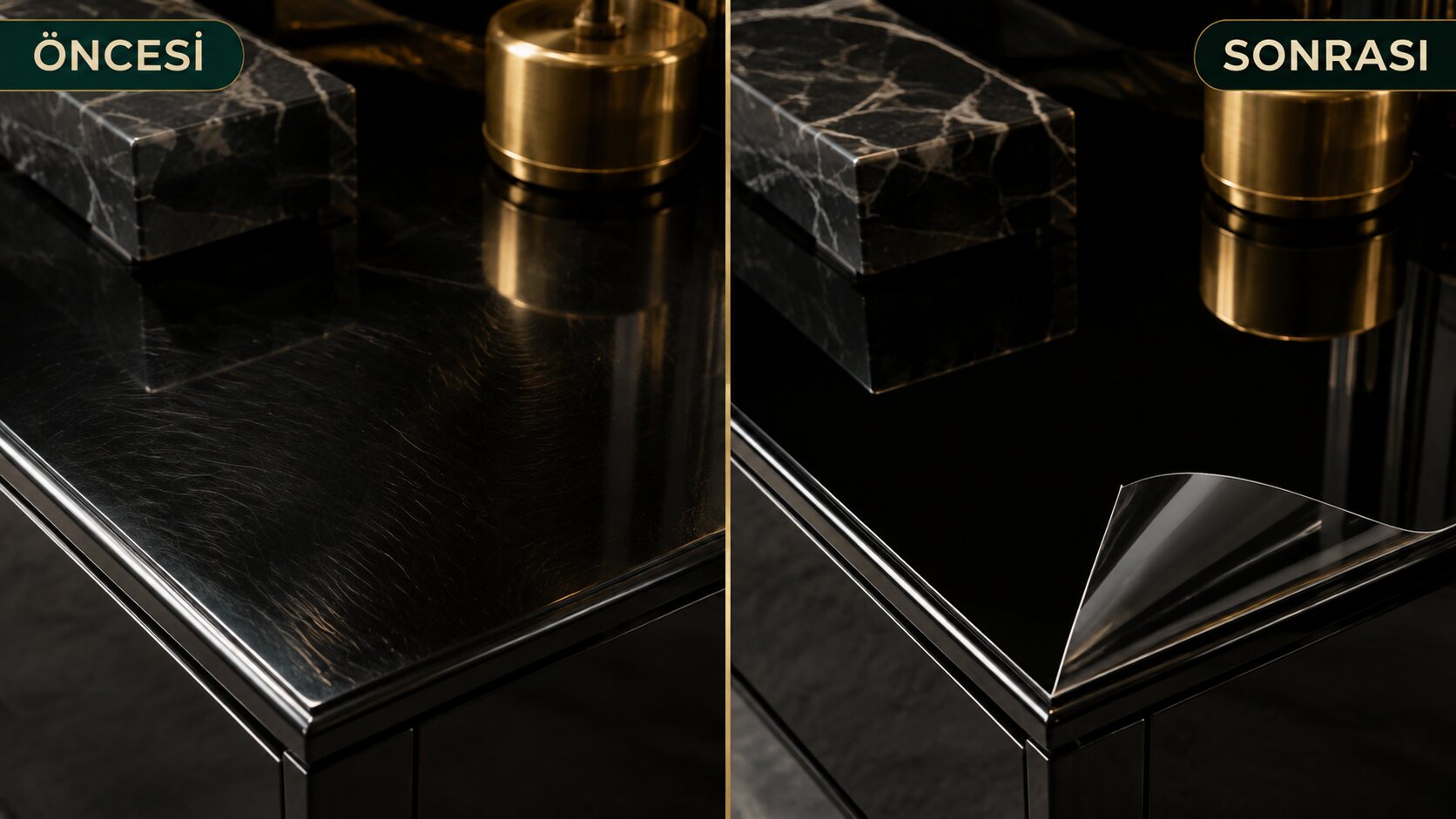
What Is TPU Surface Protection Film? Features and Uses
TPU surface protection film is a transparent protective film designed to help protect compatible furniture and architectural surfaces against scratches, friction, stains and everyday wear.
TPU stands for Thermoplastic Polyurethane, a flexible thermoplastic material used in various protective film technologies.
For furniture and architectural applications, the primary purpose of TPU protection film is to create a transparent protective layer between the original surface and everyday contact.
What Is TPU?
TPU (Thermoplastic Polyurethane) is a type of thermoplastic polymer that can combine flexibility with durability.
However, not all TPU films are identical. Thickness, surface finish, adhesive technology, manufacturing quality and intended application can influence the performance of a protection film.
For this reason, surface compatibility should be considered rather than selecting a product simply because it is labelled TPU.
What Does TPU Surface Protection Film Do?
On compatible surfaces, TPU protection film can help reduce direct contact and everyday surface wear.
Its main purposes include:
- Helping protect against scratches
- Reducing friction and everyday wear
- Helping make everyday surface maintenance easier
- Reducing direct contact with the original surface
- Helping preserve the existing appearance of furniture and architectural surfaces
Performance can vary depending on the product, surface type, installation quality and conditions of use.
Which Surfaces Can TPU Protection Film Be Used On?
Not every surface is suitable for TPU film. A professional surface assessment should therefore be carried out before installation.
Depending on compatibility, TPU-based protection solutions may be considered for:
- Dining tables
- Living room tables
- Coffee and side tables
- Lacquered furniture
- Compatible wooden surfaces
- Marble tables
- Compatible natural stone
- Kitchen countertops
- Console tables
- TV units
- Office desks
- Conference tables
- Compatible decorative and architectural surfaces
TPU Film for Furniture Protection
Tables and furniture are frequently exposed to physical contact.
Keys, phones, glasses, plates, laptops and decorative objects can gradually create visible signs of everyday use.
TPU furniture protection film creates a transparent layer over compatible furniture surfaces to help reduce direct contact with the original finish.
Can TPU Film Be Used on Marble Tables?
Depending on surface compatibility, TPU-based solutions may be considered as marble table protection film.
Because marble and natural stone can have different finishes and treatments, the condition and structure of the surface should be assessed before installation.
The protection film does not change the underlying physical properties of marble. Its purpose is to provide an additional protective layer over the surface.
TPU Protection Film for Lacquered Furniture
Lacquered furniture, particularly high-gloss finishes, can make scratches and signs of use more visible.
On compatible lacquered surfaces, TPU protection film can create a protective layer between the original finish and everyday contact.
Film selection should consider whether the original surface is glossy or matte.
Is TPU Protection Film Visible?
Professional surface protection aims to integrate the transparent film with the existing appearance of the surface as closely as possible.
One of the main advantages of transparent film is that it can protect a surface without completely covering its original colour and design.
However, appearance can vary depending on the film, surface type, lighting conditions and installation quality.
Does TPU Film Protect Against Heat?
An important distinction should be made.
TPU surface protection film is not a thermal insulation material.
Even when a film can tolerate normal conditions of use, extremely hot cookware or other high-temperature objects should not be placed directly on a protected surface.
The technical limitations of both the original surface and the protection film should always be respected.
Does TPU Protection Film Remove Existing Scratches?
No.
Surface protection film is not designed to repair existing scratches.
Its primary purpose is to help reduce new signs of everyday wear on compatible surfaces.
For this reason, protection is often worth considering while furniture, tables, marble or countertops are new or still in good condition.
What Should You Look for When Choosing TPU Protection Film?
The material name alone should not determine the choice of protection film.
Important factors include:
- Surface compatibility
- Film thickness
- Transparency and finish
- Adhesive technology
- Compatibility with glossy or matte surfaces
- Installation method
- Professional workmanship
- Warranty and application records
Correct installation is just as important as selecting the appropriate film.
Professional TPU Surface Protection Installation
Professional installation generally begins with an assessment of the original surface.
Once compatibility and condition have been checked, the appropriate film and installation method can be selected.
The film is then measured, cut and installed before the surface and edges undergo a final inspection.
Because different materials can require different techniques, a surface-specific installation method is important.
MKK Mimari Kaplama Koruma® TPU Surface Protection
MKK Mimari Kaplama Koruma® provides professional TPU surface protection film applications for compatible furniture and architectural surfaces.
Before installation, surface compatibility is assessed and an appropriate product and installation method are selected.
For eligible applications, the MKK system combines a verified applicator network, QR tracking, digital warranty and 5-year protection program to create a documented surface protection process.
Customers can submit a photo of their table, furniture, marble, countertop or other surface to begin an initial assessment and quotation process.