Fingerprints and Scratches on Glass Surfaces: What Actually Fixes It
Glass Hides Nothing
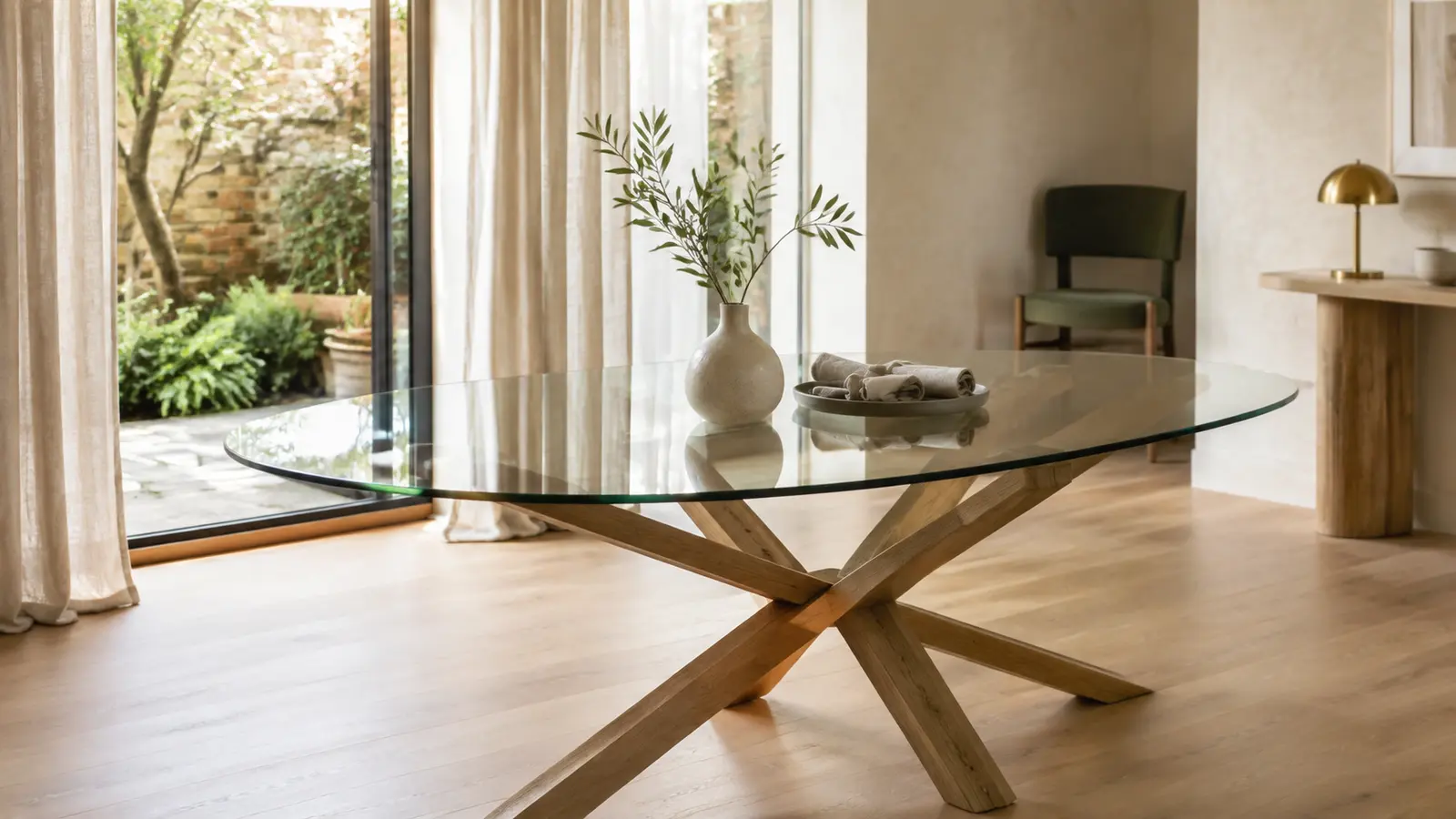
The very thing that makes glass beautiful — its perfect clarity — is also what makes it high-maintenance. A small mark that would go unnoticed on marble or wood is immediately obvious on glass. A fingerprint, a bit of dust, a water spot, or a fine scratch all get magnified by the optical clarity of the material itself. That's why glass coffee tables, dining tables, and decorative surfaces always seem to need "just wiped down" to look right.
Two Problems, One Root Cause: Direct Contact
Fingerprints and Smudges
Every touch on a glass surface leaves an oil and moisture trace behind. On a frequently used dining table or coffee table, these marks build back up within minutes, creating a constant need to wipe the surface down.
Micro-Scratches
The cloths used to clean glass pick up dust particles that, over repeated use, create a network of fine scratches. It's the same mechanism that dulls eyeglass lenses over the years: no single cleaning does damage, but thousands of repeated wipes leave a texture of tiny scratches behind. Objects, keys, and jewelry set down on the surface add to this directly as well.
Why "Cleaning It More" Backfires
The instinctive response to a smudged glass surface is to clean it more often and more aggressively. That's actually counterproductive — every wipe carries a small risk of a new micro-scratch. The more a glass surface gets cleaned over its lifetime, the more fine scratching it accumulates — so the effort to keep it looking pristine is, ironically, part of what dulls it.
How a TPU Film Changes the Equation on Glass
MKK's SPF-190 Premium TPU film places a transparent interlayer between the glass and everything that touches it:
- Fingerprints and oil traces mark the film rather than the glass directly, which makes cleanup easier and reduces how often it needs wiping.
- A matte finish option scatters light and noticeably reduces the visibility of fingerprints and smudges — a straightforward optical result of matte surfaces showing marks less readily than glossy ones.
- Scratches from objects, keys, or jewelry mark the film instead of the glass itself.
- Quality TPU's self-healing property means these fine scratches noticeably diminish with gentle heat.
- Because the film is optically clear, the glass's natural clarity is preserved — with a glossy finish, the visual difference is nearly imperceptible.
Where It's Used
Glass coffee tables, dining tables, office desks, console tops, and decorative glass panels — essentially any frequently touched glass surface.
How the Process Works
Using "Fotoğrafla Fiyat Al" (Photo-to-Quote), you photograph the surface with the on-screen 3-meter proportional ruler for scale. AI reads only the surface itself; pricing follows a fixed formula covering materials, labor, surface prep, and service. After approval, a verified applicator in the region is automatically matched, and a QR-coded digital warranty is issued once the work is complete.
Frequently Asked Questions
Is the film noticeable on glass? In the glossy finish, it's nearly invisible. The matte finish gives a slightly frosted look and shows fingerprints noticeably less.
Does the film make the glass stronger against breaking? No — it's designed to protect against everyday scratches and marks, not to reinforce the glass structurally.
How long does it last? Typically 5 to 10 years, depending on how heavily the surface is used.