How the Digital Warranty System Works: The QR Verification Process
The Problem With Paper Warranties
Traditional warranty documents — printed on paper, filled out by hand, easy to lose, easy to alter — create a trust problem for both the business and the customer. If the document is lost, coverage can't be proven. Dates or details can be changed after the fact. And when furniture changes hands secondhand, there's no way for a new owner to independently confirm a warranty is genuinely still valid. MKK's Digital Warranty System solves these problems by moving the warranty record entirely off paper and into a verifiable digital record.
How a Warranty Record Is Created
When an installation is completed, the process runs as follows:
- Completion confirmation: the verified applicator confirms in the system that the physical work is finished.
- Unique warranty record generation: the system creates a unique, non-duplicable warranty number tied to that specific job. The record includes the installation date, the surface type treated, the film used (SPF-190 Premium TPU), and the identity of the verified applicator who performed the work.
- QR code generation: that unique record is paired with a QR code carrying an encrypted link that resolves directly to that record's digital page.
- Delivery to the customer: the QR code is provided as a discreet physical label or delivered digitally, and the warranty number itself is also noted separately.
This approach anchors the warranty record to a server-side data entry rather than a piece of paper — which effectively eliminates both loss and forgery as risks.
How Verification Works
Warranty status can be verified two ways:
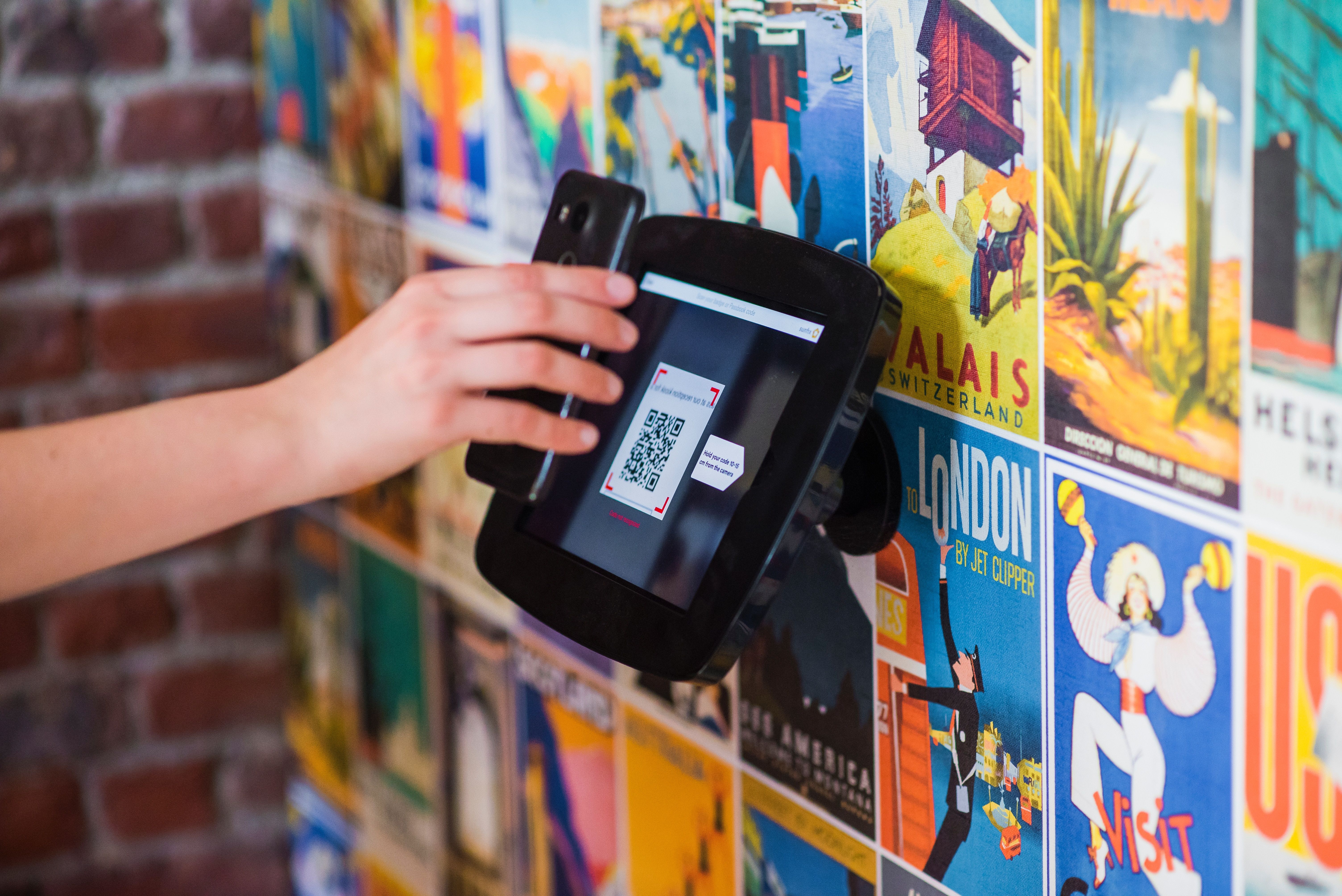
- Scanning the QR code: a phone camera reading the QR code resolves directly to the matching record on kaplamakoruma.com/garanti-sorgula.
- Manual lookup by warranty number: entering the warranty number directly on kaplamakoruma.com/garanti-sorgula pulls up the same record — a backup path for cases where the physical QR label is inaccessible or unreadable.
The lookup result displays the installation date, warranty coverage, the surface/film details, and the current validity status of the warranty.
Who Benefits From This System
- The customer: can verify warranty status instantly, at any time, without any risk of losing the physical document. This is especially valuable in secondhand furniture or property sales, where a buyer can independently confirm the warranty's validity using the same QR code or number.
- The applicator: having their completed work logged, traceable, and tied to their own verified identity is a concrete record of accountability and workmanship.
- MKK: a centralized, standardized warranty database enables service-quality tracking and provides an objective reference point in the event of a dispute.
Transparency and Fraud Prevention
The most important technical benefit of a digital warranty record is that it's held centrally and cannot be altered after the fact. Unlike a paper document, the date, scope, or applicator details tied to a warranty record can't be retroactively changed. That creates a single, objective source of truth for both the customer and MKK — replacing any "that's not what the document says" dispute with one verifiable digital record.
Why Data Security Matters Here
Holding a warranty record in a centralized system also creates a data-security responsibility. The record is designed to be reachable only through authorized lookup paths — a QR code or the correct warranty number — with no way to browse or bulk-scan the database at random. That design choice protects customer privacy and, just as importantly, makes misuse of the warranty database (such as generating fake warranty numbers) impractical in practice, since verification only succeeds against the exact correct number or QR code.
What This Looks Like in Practice
If a customer wants to check the warranty on, say, film applied to a marble countertop, all they need to do is scan the QR code on the label with their phone, or enter the warranty number on kaplamakoruma.com/garanti-sorgula. Within seconds, the installation date, coverage, and current warranty status appear — no phone calls, no searching for a paper document.
Bottom Line
The Digital Warranty System moves the concept of a warranty from a piece of paper to an always-accessible, verifiable, tamper-proof digital record. The QR code serves as the physical-world bridge to that digital record — creating one shared, indisputable reference point between the customer, the applicator, and MKK.